
On Wednesday, March 18, 2026, residents across the Netherlands will vote for the members of 342 local councils. These municipal elections take place every four years and determine who will manage your local city or village.
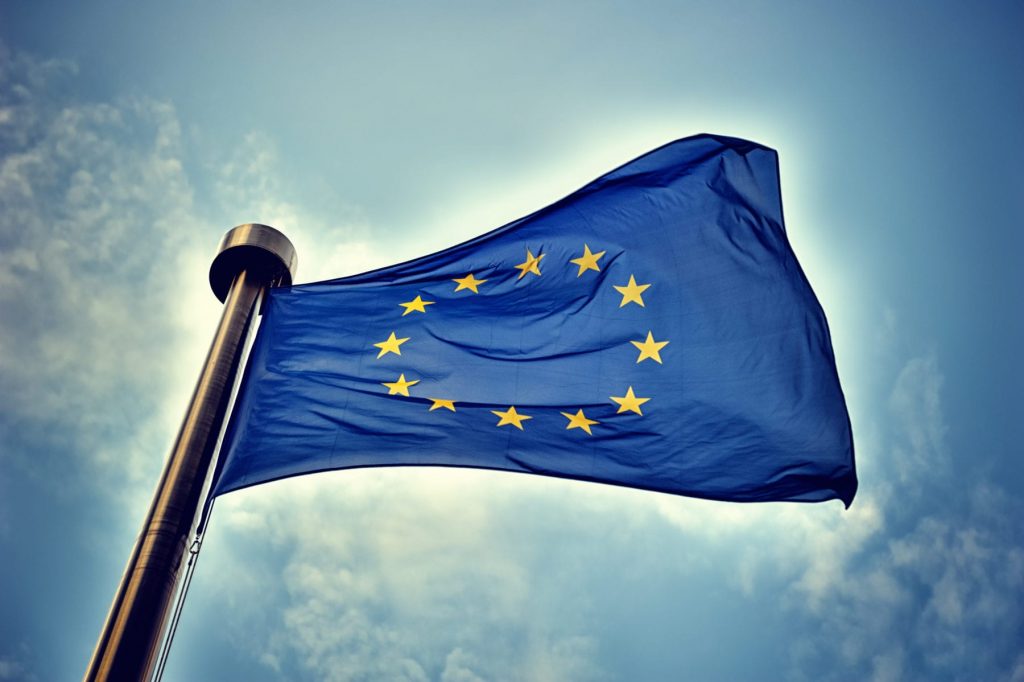
At Executive Mobility Group, we want to ensure our clients and the international community understand how to participate in these elections, as many foreign residents have the right to vote.
Eligibility to vote for international residents
You do not need to be a Dutch citizen to vote in municipal elections. The requirements depend on your nationality and residency status:
- EU Citizens: If you are a citizen of an EU member state and are officially registered with your local municipality, you are eligible to vote immediately.
- Non-EU Citizens: If you are from outside the EU, you can vote if you have lived in the Netherlands legally and continuously for at least five years.
- Age Requirement: You must be 18 years or older on the day of the election.
How the voting process works
If you are eligible, your local council will automatically send a voting pass (stempas) to your registered home address. This usually arrives a few weeks before the election. On March 18, you can take this pass to any polling station within your municipality.
Polling stations are open from 07:30 to 21:00. They are often located in schools or community centers, and sometimes in more unique locations like train stations or churches. To cast your vote, you must bring your voting pass and a valid form of identification, such as a passport or residence permit. Note that your ID is still accepted even if it has been expired for up to five years.
The role of your local council
Local councils make decisions that directly affect your daily life and your neighborhood. While the national government provides much of the funding, the council decides how to spend it. Key areas of responsibility include:
- Housing and Planning: Decisions on new residential developments and zoning laws.
- Traffic and Transport: Managing local roads, bike paths, and parking regulations.
- Local Services: Funding for schools, parks, libraries, and waste collection.
- Taxes: Setting rates for local property taxes and waste collection charges.
In cities like Amsterdam and Rotterdam, you may also be asked to vote for district committees, which focus on issues at an even more local, neighborhood level.
Accessing information in English
As the international population in the Netherlands grows, more political parties are providing their manifestos in English.
Several cities, including Amsterdam, The Hague, and Eindhoven, also host English-language debates where candidates discuss their platforms.
We recommend checking your local municipality’s website for updates on these events.
Looking to expand your team in the Netherlands?
Ensure compliance and streamline yourinternational hiring with EMG.